Guides · August 1, 2026
Full Front vs Partial Front PPF: What Is Actually Covered
Side-by-side coverage for full front and partial front paint protection film, with Chantilly starting prices.
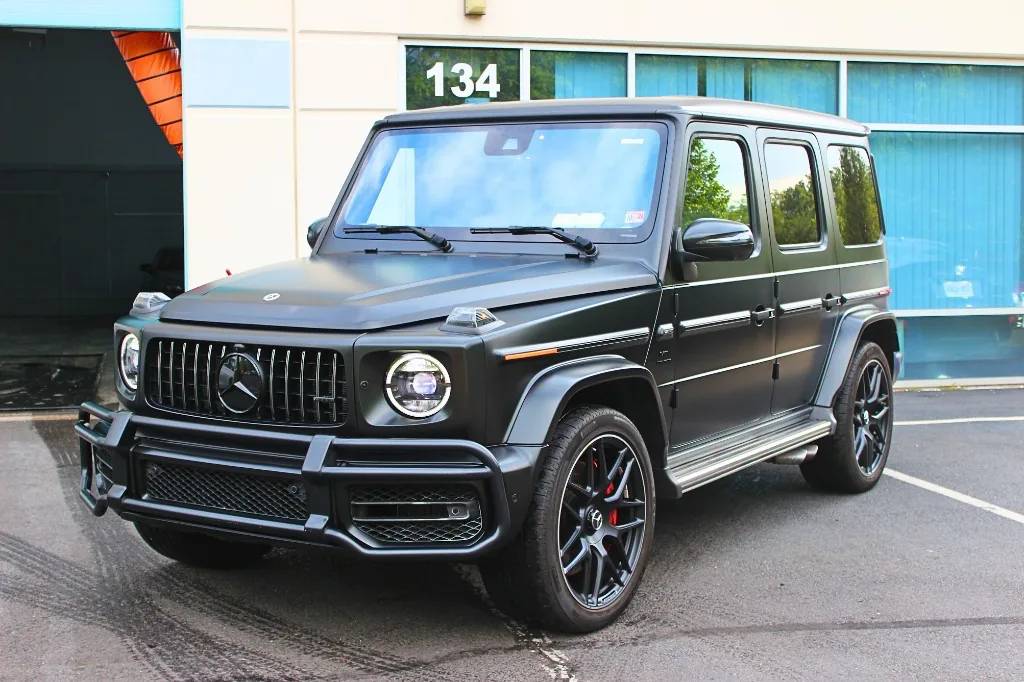
Matte black Mercedes-Benz G-Class with stealth PPF outside the shop
Full front and partial front are the two PPF packages most drivers compare. The names sound close, but the amount of painted area they cover is not.
Partial front coverage
Partial front covers the full bumper plus a partial hood and partial fenders. It is built for chip patterns that stay low, which is mostly sand and gravel hitting around the bumper line. Starting price at our shop: $1300.
The bumper is the important part of that package. It is the panel closest to the road, it sits at the angle where debris arrives, and on most cars it collects more chips than everything else combined. Covering it fully takes care of the majority of the damage on a car whose miles are mostly local.
The tradeoff is the coverage line partway up the hood and fenders. A good installer places that edge where the body character lines make it least noticeable, but the paint above it is bare, and stones that arrive at highway speed land above it. Choose partial when budget is tight and the hood is still clean.
Full front coverage
Full front covers the entire hood and both fenders along with the bumper. That is the package for Route 28, Route 50, Greenway, and beltway regulars who already see chips climbing upward. Starting price: $1900.
Two things change with full front. The first is obvious: there is no exposed strip halfway up the hood, so the chip pattern that develops on partial-front cars over a few highway years does not develop at all. The second is cosmetic, since the coverage wraps at panel edges instead of stopping in open paint, so there is no line to see when the light hits it.
Full front is also the usual recommendation on new cars before the first chip season, especially white and black paint that shows every mark. On a car you plan to keep or hand back at lease end, the extra $600 over partial is usually the cheaper decision in the long run.
Track addon and full car
Track addon starts at $500 and covers side skirts, lower doors where the design allows, and rear bumper splash guards. Those are the zones that collect stone rash thrown by your own front tires, which is why the damage shows up behind the wheels rather than in front of them. Gravel driveways, gravel event lots, and actual track days all produce that pattern.
Full car starts at $5500 and covers the front bumper, hood, fenders, headlights, side skirts, lower doors, and rear splash guards. Headlight film is the piece owners forget to ask about, and modern polycarbonate lenses haze and yellow under UV in a way that costs real money to fix or replace.
Vehicle size and pattern complexity change final pricing. A compact sedan and a wide truck are different installs, and cars with aggressive body lines, big intakes, or a lot of sensor hardware in the bumper take longer to pattern and fit.
What both packages share
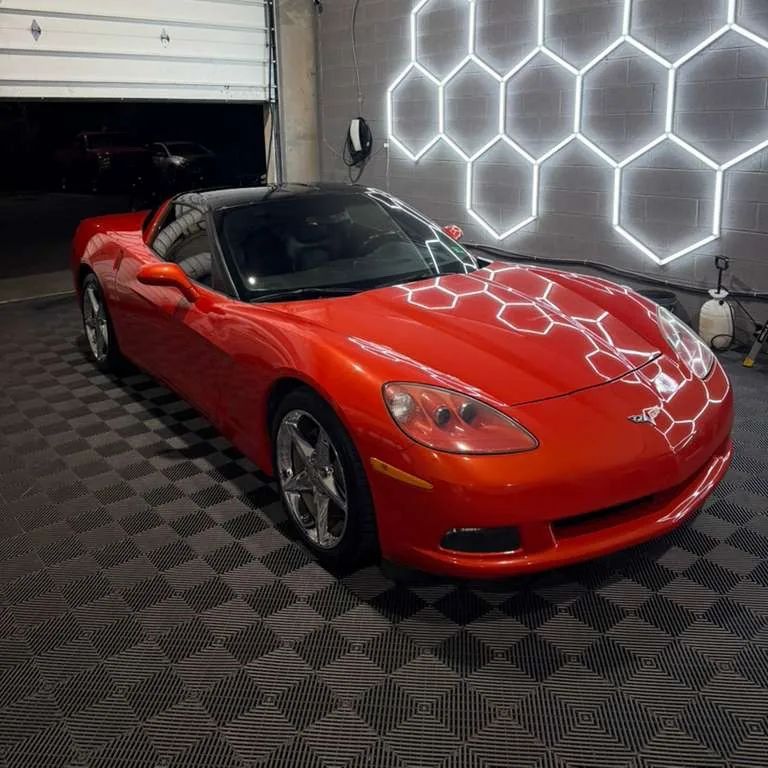
Prep is the same regardless of scope. The paint gets washed and clayed so nothing is trapped under the film, patterns are computer cut for your exact year, make, and model, and every car is inspected under the hexagonal shop lights before it leaves. The difference between the two packages is coverage area, not care.
You can also add coverage later. Starting with partial front and moving to full front is possible, though it means removing and replacing the existing pieces rather than filling in the gap, so it costs more overall than booking full front the first time.
How to choose
If chips stay on the bumper, partial can work. If chips are already on the hood, or you want the whole front end covered, book full front. A simple test: stand in front of your car in daylight and look along the hood at a low angle. If you can count chips above the halfway point, partial front is going to leave the part that is already getting hit.
Send photos of your current chip pattern and we will tell you which scope matches what we see.
Get a free estimate
Send year, make, and model — or call (571) 517-9451. Shop work in Chantilly, Monday–Friday 8am–5pm.
Related guides
How Long Ceramic Coating Lasts in Northern Virginia Weather
What 2, 5, and 9 year ceramic packages mean under Northern Virginia sun, pollen, and winter brine.
PPF vs Ceramic Coating: Which Does Your Car Need?
Plain comparison of paint protection film and ceramic coating for Chantilly and Loudoun County drivers.
Why Loudoun County Families Need Paint Protection Film
Family SUVs, weekend sports miles, and why full front PPF pays off for Loudoun County households.