Guides · August 2, 2026
PPF vs Ceramic Coating: Which Does Your Car Need?
Plain comparison of paint protection film and ceramic coating for Chantilly and Loudoun County drivers.
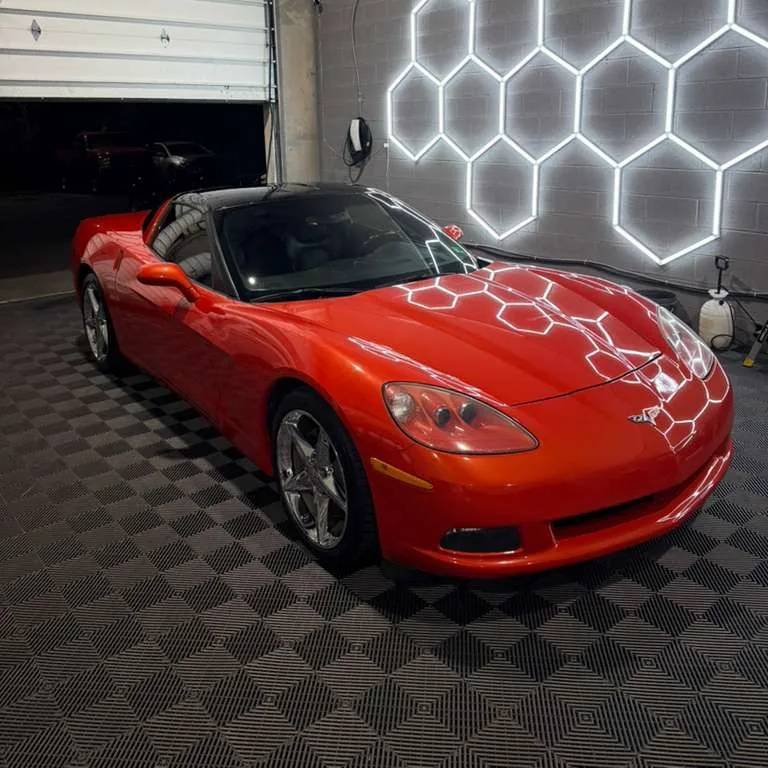
Orange Corvette C6 coupe with mirror ceramic finish reflecting hexagonal shop lights
PPF is a physical barrier against impact. Ceramic coating is a chemical layer that makes paint easier to clean and keep glossy. Asking which one is "better" without naming the problem you are trying to fix is how people end up buying the wrong one.
How they work, briefly
Film is urethane, thick enough to feel with a fingernail at an unwrapped edge. It absorbs impact by deforming and springing back, so the energy from a stone spreads out instead of punching through a brittle layer of clearcoat. Because it is a physical layer, it also takes scuffs, bug etching, and light scratches that would otherwise be in your paint.
Coating is a liquid that cures into a thin, hard, water-repellent layer chemically bonded to the clearcoat. It is far too thin to stop an impact. What it does is change how the surface behaves: contamination sticks less, water sheets off instead of pooling, UV hits the coating before it hits your paint, and washing gets easier and therefore safer.
The short version is that film is measured in thickness and coating is measured in surface behavior. They are not competing products, and neither one substitutes for the other.
When to choose PPF
Pick film when rock chips on the bumper and hood are the actual complaint, when you drive highway corridors every week, or when the car is new and you want the front end to stay that way. It also applies if you already have a coating and are still picking gravel damage out of the clearcoat.
Film is the stronger choice when the paint is hard to repair, so tri-coat whites, deep blacks, and factory matte finishes lean this way. Leased cars do too, since chip damage tends to surface as a return-condition conversation you would rather not have.
Start with partial front or full front coverage. Full front is the default for most Northern Virginia highway patterns.
When to choose ceramic
Pick coating when the paint looks dull or swirled, when washes take too much scrubbing, or when pollen and road film cling to the car between washes. It also gives UV defense and gloss on the panels that do not take direct rock hits.
Coating is the better first purchase for a garage-kept weekend car, for anyone whose mileage is mostly local, and for owners whose real complaint is that the car looks tired rather than that it is getting hit. It covers the whole vehicle for less than film covers the nose, which is the practical reason it is the more common starting point.
Plan on correction before coating if swirls bother you. Our Level Two and Level Three packages include that work, and coating over uncorrected paint locks the haze in for the life of the product.
When to choose both
Most owners want chip defense on the nose and easier care everywhere else, and that is the most common build in our bay. Film goes on the high-impact panels first, ceramic covers the rest, and tint gets added to the same plan if you want heat rejection.
Coating can also go over the film itself. That keeps the whole car behaving the same way when you wash it, helps bugs and road grime release from the filmed panels, and means you are not maintaining two surfaces with two routines.
What neither one does
Neither product repairs existing damage. Film covers a chipped hood without healing it, and coating over swirls makes them glossier rather than gone. Both are prevention, applied to whatever condition the paint is in on the day.
Neither one makes a brush car wash safe, and neither one is permanent. Film gets replaced when it ages, coating gets renewed at the end of its maintenance window, and deep scratches or failing clearcoat remain body shop work in both cases.
Price context
Ceramic packages start between $600 and $1000 depending on coating term and correction depth. Partial front PPF starts at $1300, full front at $1900, track addon at $500, and full car at $5500. Bundles are quoted per vehicle once we see size and paint condition.
If you are still unsure, tell us whether the chips or the washing is the bigger annoyance. That usually settles it.
Keep reading
Get a free estimate
Send year, make, and model — or call (571) 517-9451. Shop work in Chantilly, Monday–Friday 8am–5pm.
Related guides
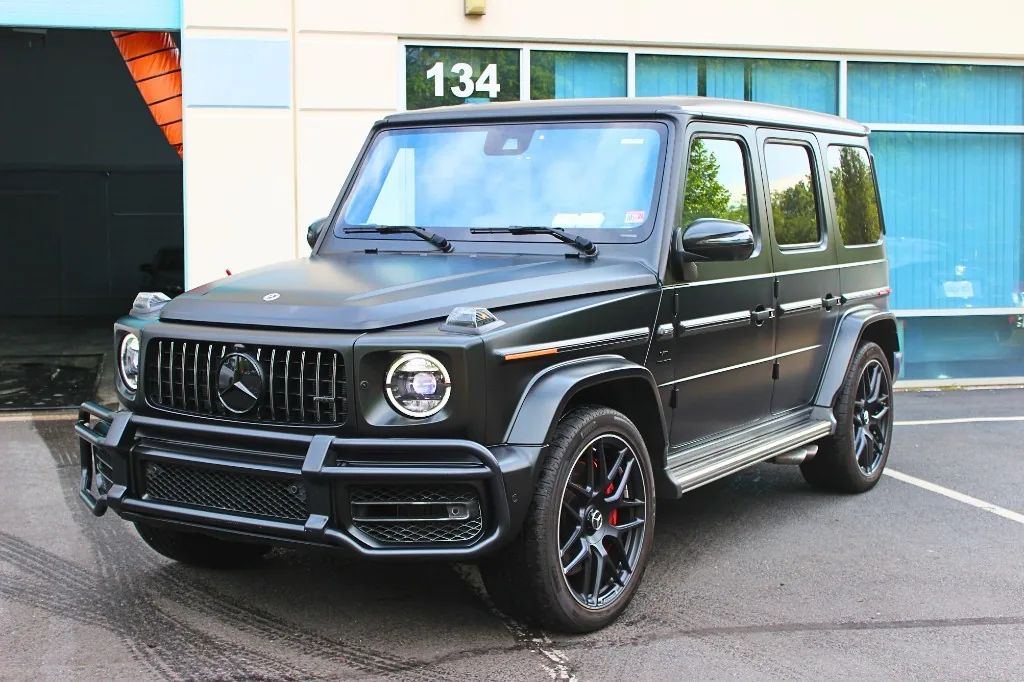
Is Paint Protection Film (PPF) Worth It?
When PPF pays off for Northern Virginia drivers dealing with highway chips, new car paint, and full front vs partial coverage.
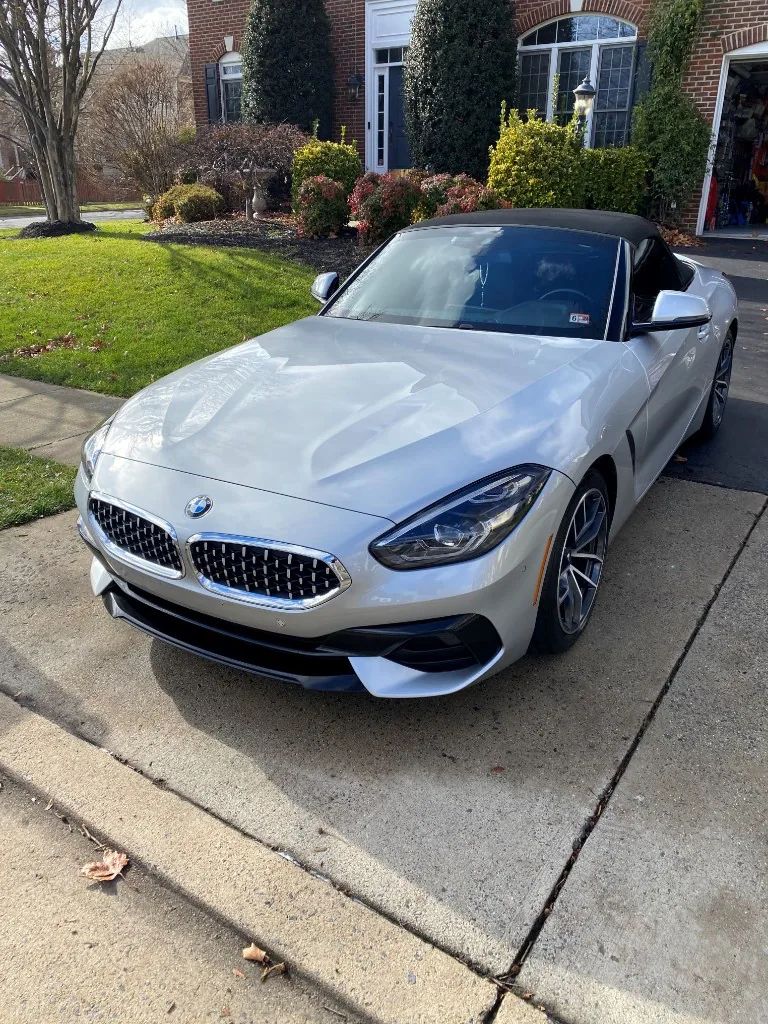
Road Salt and Your Paint: A Loudoun County Winter Guide
How winter brine affects Loudoun County paint, and how PPF plus ceramic coating change the spring cleanup.
Do You Need Paint Correction Before Ceramic Coating?
Why paint correction comes before ceramic coating, and how one-step and two-step work fit our Chantilly packages.