Guides · August 4, 2026
Do You Need Paint Correction Before Ceramic Coating?
Why paint correction comes before ceramic coating, and how one-step and two-step work fit our Chantilly packages.
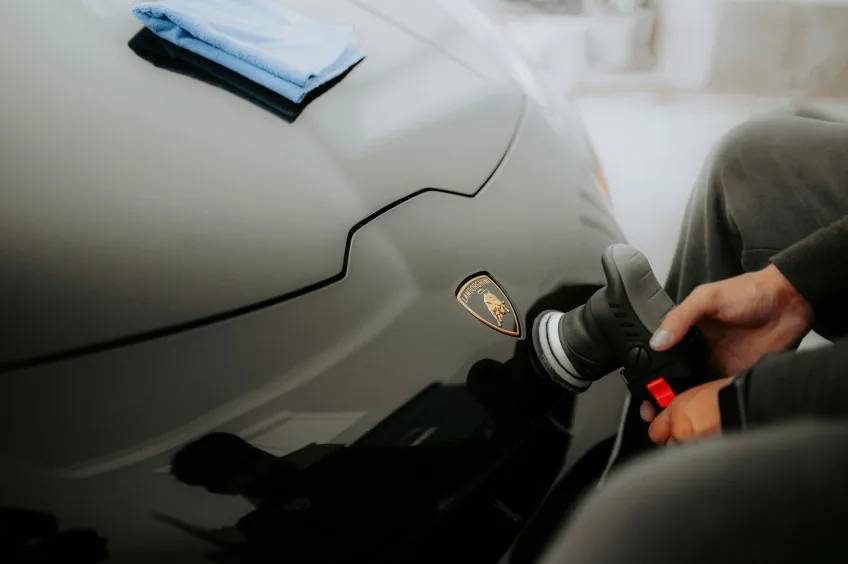
Technician machine-polishing a black Lamborghini hood during paint correction before ceramic coating
Coating locks in whatever is under it. If the clearcoat is full of wash swirls, ceramic coating will make those swirls shinier and more permanent. That is why paint correction comes first when clarity matters.
Where swirls come from
Almost every swirl on a normal car is a wash mark. They are shallow scratches in the clearcoat left by grit being dragged across the surface, usually by a brush tunnel, a dirty mitt, a bath towel used for drying, or a quick wipe of a dusty car with whatever was in the trunk.
They look like a spiderweb under direct sun or a single bright light because each scratch scatters light in a different direction. That is also why they seem to vanish on a cloudy day and why dark cars look so much worse than silver ones. The silver car has the same scratches, it just hides them.
What correction removes
Machine polishing reduces clearcoat-level swirls and light scratches by levelling a very small amount of clearcoat down to the base of the defect. It will not erase deep scratches that catch a fingernail, and it will not fill chips that go down to primer. We point out those limits during inspection under the shop lights.
Because correction removes clearcoat, it is not something to repeat endlessly. Factory clearcoat is thin, and cars that have been through several aggressive polishes over the years have less left to work with. This is where a coating earns its keep, since protecting corrected paint means you do not need to correct it again in two years.
How our ceramic packages include it
Level One includes an enhancement polish, which is a lighter pass suited to newer or cleaner paint and takes out about 30% of swirls and clearcoat scratches. Level Two includes one-step correction aimed at roughly half of visible swirls. Level Three includes two-step work aimed at 70% to 90% defect removal.
One-step means a single combined cutting and finishing pass, which is efficient and leaves some deeper marks behind. Two-step means a cutting stage to remove defects followed by a finishing stage to refine the gloss and clear the haze the first stage created. The second step is what separates paint that looks great in the shade from paint that looks great in direct sun.
Every job starts with a test spot, where we set the pad and compound combination on one section and check the result under the lights before committing to the whole car. Paint hardness varies by manufacturer and even between panels, so the test spot is how the plan gets matched to your actual car rather than a general assumption.
Heavy defect sets on dark, soft clearcoats often need more time than a standard package assumes. We tell you that before the job is locked in rather than after.
How long it takes
One-step work is often a single shop day. Two-step on larger vehicles can need more time, since the whole process happens panel by panel and a three-row SUV has a lot of panels. Adding a coating means a cure window afterward, indoors and away from dust and rain.
That is the honest reason correction costs what it does. There is no way to speed it up that does not show in the result, and a rushed polish leaves holograms that are more annoying than the swirls you started with.
Standalone correction
If you are not ready to coat yet, correction can be booked on its own. Many owners correct first, live with the finish for a season, then coat when the calendar opens up. Others correct and coat in the same week so the fresh polish gets sealed straight away.
Sealing it straight away is the better value if the timing works. Corrected paint with nothing on it starts collecting fresh wash marks immediately, so the gap between polishing and coating is time spent undoing the work you just paid for.
Why shop lighting matters
Polishing in a dim garage hides holograms and leftover haze. Our bay lighting exists so those problems show up before you drive home into sunlight and find them yourself.
Holograms are the faint buffer trails a rotary or an aggressive pass leaves behind, and they are the classic sign of correction that was called finished too early. Under diffuse light they are invisible. Under direct sun on a black hood they look like brush strokes, and once a coating is over them, they are there for the length of the product.
Bring the car clean if you can, or we wash it as part of prep. Send daylight photos for a preliminary read on whether one-step or two-step is likely, and try to catch the reflection of the sun or a bright light in the paint, since that is where the swirls actually show.
Get a free estimate
Send year, make, and model — or call (571) 517-9451. Shop work in Chantilly, Monday–Friday 8am–5pm.
Related guides
How Long Ceramic Coating Lasts in Northern Virginia Weather
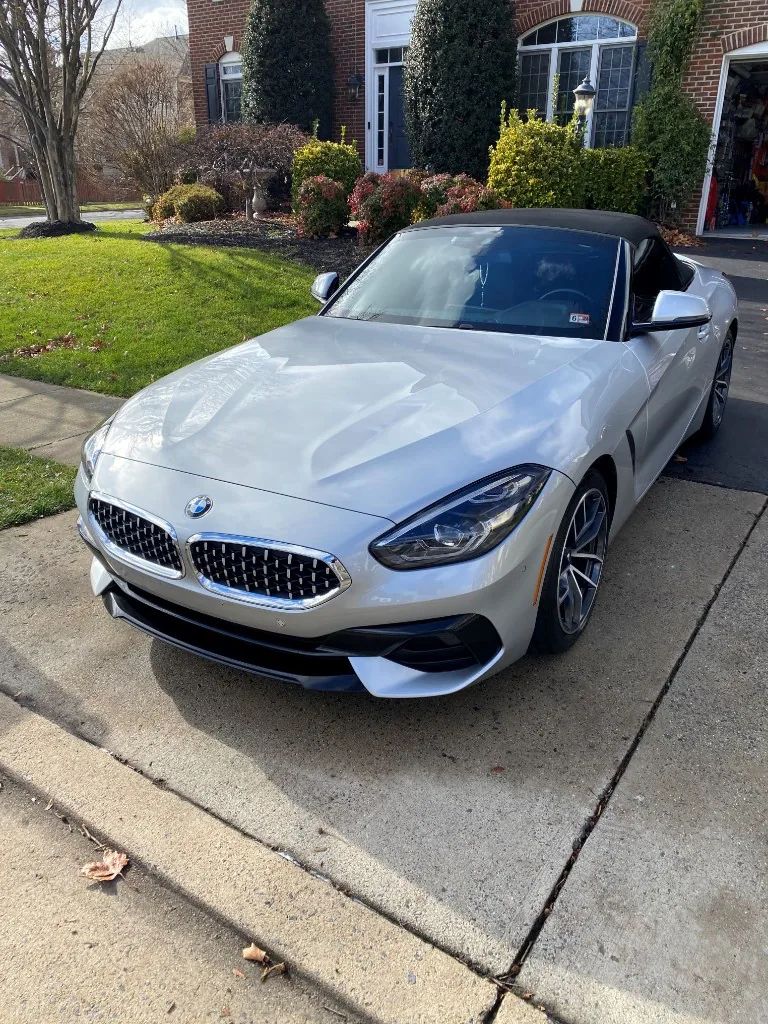
What 2, 5, and 9 year ceramic packages mean under Northern Virginia sun, pollen, and winter brine.
PPF vs Ceramic Coating: Which Does Your Car Need?
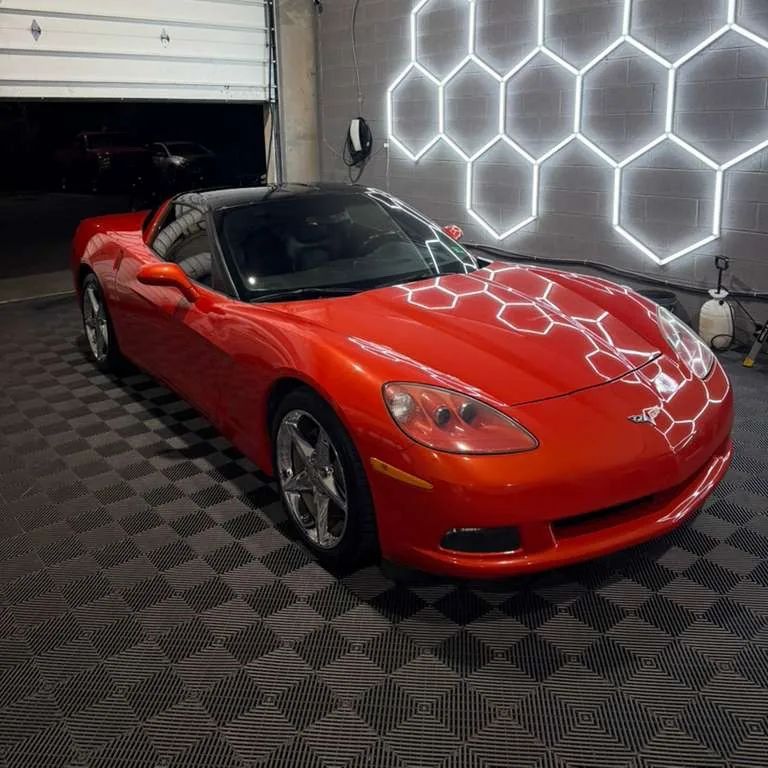
Plain comparison of paint protection film and ceramic coating for Chantilly and Loudoun County drivers.
Why Northern Virginia Drivers Should Consider Ceramic Coatings
Ceramic coating durability for Northern Virginia UV, pollen, road film, and winter brine, plus the wash habits that decide how long it lasts.