
Guides · August 6, 2026
Road Salt and Your Paint: A Loudoun County Winter Guide
How winter brine affects Loudoun County paint, and how PPF plus ceramic coating change the spring cleanup.
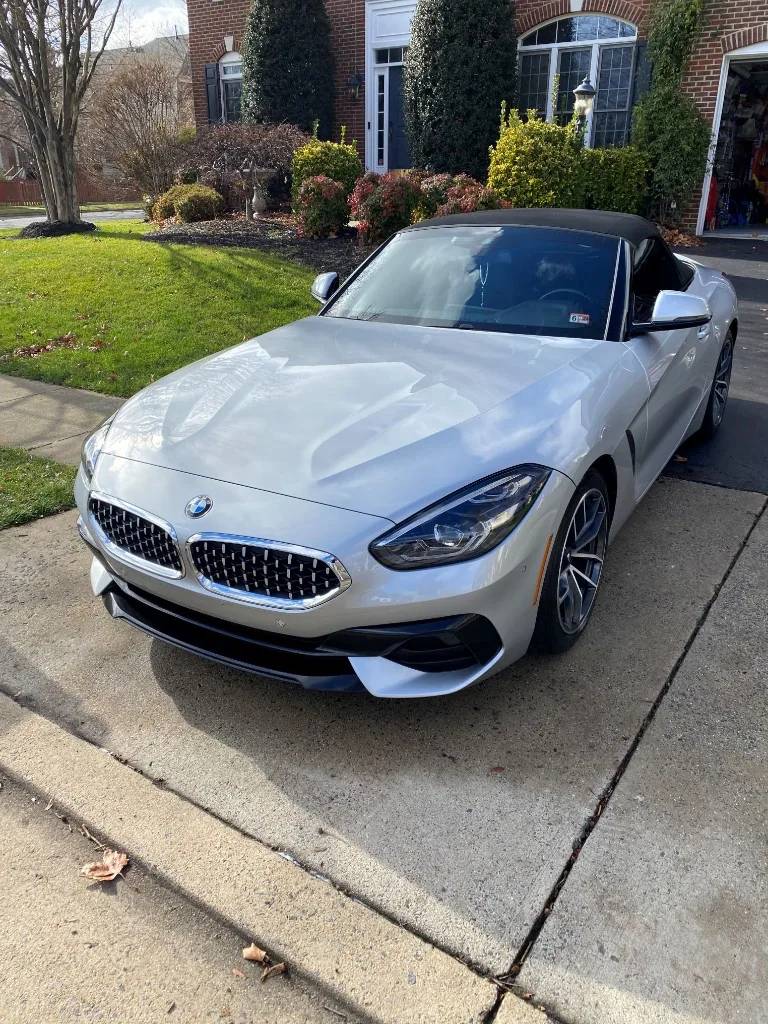
Silver BMW Z4 convertible with glossy ceramic coating finish on a residential driveway
Loudoun County brine keeps the roads safer and is rough on unprotected lower panels. Salt and treated moisture cling to rockers, wheel wells, and bumper edges. If the car sits dirty from December to March, spring cleanup is harder and clearcoat wear shows up sooner.
Why brine is worse than rock salt for your paint
Virginia crews pre-treat roads with liquid brine before storms, which is why you see the white stripes on Route 7 and Route 28 the day before snow arrives. It works well on ice and it behaves badly on cars, because brine goes on wet and spreads into places dry salt never reaches.
The bigger problem is that the salts used in brine pull moisture out of the air. That means the residue on your rocker panels stays damp on a dry day instead of drying out and flaking off. A car that looks clean can be carrying a wet salt film on its lower third for weeks after the last storm.
What winter does to unprotected paint
You get bonded contamination and dried brine lines, and on some steels the edges of existing chips start to rust-stain because bare metal is now sitting under a damp salt layer. Soft clearcoats micro-etch when grit gets rubbed in during a dry wipe-down. All of it keeps working on the paint through the whole season.
Winter also makes chips worse in a way people miss. Cold clearcoat is more brittle than warm clearcoat, road grit is coarser once crews have treated and plowed, and the sand thrown down for traction is abrasive. The same commute that produced a few chips in July produces more of them in January.
What helps during the season
Rinse the wheel wells and lower doors when you can, even a quick touchless rinse after a salty week. It takes five minutes at a self-serve bay and it removes the salt that is still actively working. Do not dry-wipe a salt-dusted car with a dirty towel, since that is grinding road grit across your paint by hand.
If you only wash once between storms, put the effort into the lower third of the vehicle. That is where the brine sits, where the chips are, and where rust starts. The roof can wait.
Be careful with the touchless bay wand around film edges and trim, keep the tip a reasonable distance from the panel, and avoid the brushes in the bay entirely, since they have been dragged across salted cars all day. If the temperature is near freezing, wash early enough that the car dries before dark rather than freezing water into door seals and locks.
Where PPF helps
Film on the skirts, lower doors, and front end takes the abrasion and chip hits that brine makes worse. Full front is still the highway package, and track addon coverage on side skirts, lower doors, and rear splash guards helps family SUVs that sit in gravel lots all winter.
Film also matters where salt is most likely to find bare metal. Once a stone opens a chip in the lower bumper or a rocker, brine has a route to the substrate, and that is the sequence behind most rust that starts on the lower panels. Film keeps the chip from happening, which keeps the salt on the outside.
Where ceramic helps
Coated paint releases bonded film more easily in spring. Salt still lands on the car, but the surface decontaminates with less aggression, which means less polishing later.
The winter version of that benefit is that a quick rinse actually accomplishes something. On bare paint, road film needs contact to move, so a rinse in February mostly rearranges it. On coated paint, a decent share of the grime lets go with water alone, which makes the between-storm rinses realistic to keep up.
Spring plan
Do not wait until April for the first real wash after a salty month. Book a decontamination and inspection if the paint feels rough to the touch, since that texture is bonded contamination that no amount of soap will remove and that grinds in if you keep washing over it.
Spring is also the point to look at chips honestly. Anything that has opened down to metal over the winter is worth addressing before summer humidity works on it, and if you are counting a new crop of chips every March, that is the argument for film on the front end.
Winter is a fine time to install coating or film on a new car, since the work happens indoors and installing before the next chip and brine season is the whole point. Loudoun clients install at our Chantilly shop, and the town pages for Ashburn, Leesburg, Sterling, and South Riding cover drive times.
Keep reading
Get a free estimate
Send year, make, and model — or call (571) 517-9451. Shop work in Chantilly, Monday–Friday 8am–5pm.
Related guides
PPF vs Ceramic Coating: Which Does Your Car Need?
Plain comparison of paint protection film and ceramic coating for Chantilly and Loudoun County drivers.

Top Reasons Loudoun County Residents Choose Our Ceramic Coating
Why Loudoun County drivers book ceramic coating at our Chantilly shop: packages, lighting, PPF bundling, and aftercare.
How Loudoun County Drivers Can Protect Their Paint with Ceramic Coating
Ceramic coating for Loudoun County summers, pollen, Toll Road film, and which package tier fits your paint.