Guides · July 15, 2024
PPF Brands We Trust in Northern Virginia
What matters when choosing paint protection film for Northern Virginia highway miles: clarity, warranty, and coverage level.
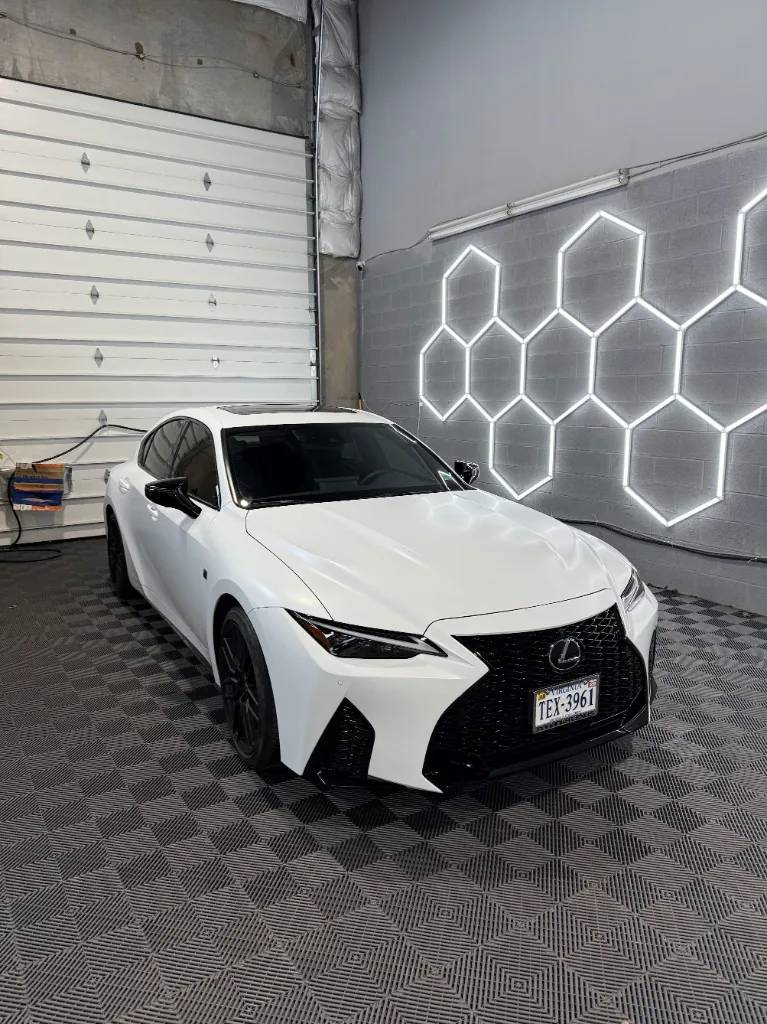
White Lexus sedan with black accents and window tint after PPF work in the shop
Film brand affects clarity, yellowing resistance, how the adhesive behaves, and what the warranty paperwork actually covers. Coverage level still matters more than the logo on the box. A premium brand on a partial bumper will not out-protect a solid full front install once chips start climbing the hood.
Most online brand arguments come down to spec sheet numbers that never show up on a finished car. The properties below are the ones that do, and they are what we judge a film on before it goes near a customer's paint.
What we care about in a film
Clarity on dark paint comes first, since a film that goes slightly cloudy is obvious on black and nearly invisible on silver. Cheap film often looks fine on the roll and slightly milky once it is stretched over a curved bumper, and stretch is where the difference shows.
Yellowing resistance is the long-term one. Older and cheaper films go amber under UV, usually on the hood and the top of the bumper first, which is exactly where you look at the car. A film that stays clear through five Virginia summers is worth more than a spec sheet argument about thickness.
Self-healing behavior matters for everyday wash marks. The top coat softens with heat and pulls light scratches back flat, which in practice means a hot afternoon or a warm rinse takes the fine marks out. Films differ in how completely and how quickly that happens.
Adhesive is the part nobody thinks about until it fails. It has to hold through summer heat radiating off a hood and through winter brine hitting the same edges, without bonding so aggressively that removal takes paint with it. Bad adhesive shows up as lifted corners and dirt lines along edges after a year.
Warranty terms should be readable before the job starts rather than after. Look for what is actually covered, whether yellowing and cracking are included, and what the claim process asks of you. We tell you exactly what film is going on the car before work begins, so ask when you book if you want the current options and warranty language for your vehicle.
Coverage beats brand sticker arguments
Partial front, full front, track addon, and full car change how much painted area is actually protected, and that decision affects your chip count far more than which premium brand you pick. Full front is the usual choice for Route 28, Route 50, and Toll Road regulars. Partial front fits tighter budgets when damage stays low on the bumper. Full car adds headlight film, which keeps lenses from hazing.
Matte film is a separate conversation, because it changes both the look and the maintenance compared with gloss film. You cannot polish a matte surface the way you would polish gloss, and some products that are routine on a glossy car are wrong for a satin one. Tesla and stealth-look owners ask for it often, and we quote matte separately.
The install matters more than the brand
Two shops can buy the same roll and hand back very different cars. Pattern quality is the first fork in the road. We use computer-cut patterns matched to your year, make, and model, so the film goes around badges, sensors, and mirror caps without a blade coming near your paint. Bulk-cut installs where the film is trimmed freehand on the vehicle are how clearcoat gets scored.
Edge treatment is the second. Wrapped edges tuck the film around a panel lip so there is no visible line collecting dirt, but not every panel and body design allows it. Where a wrap is not possible, edge placement should be deliberate rather than wherever the sheet happened to end.
The third is what happens under the film. Prep includes wash and decontamination so nothing is trapped under the urethane, since a speck of grit under a clear layer is permanent and sits at eye level on a hood. Rushed prep shows up later as hazing, debris bumps, or lift.
Shop install vs parking-lot install
Northern Virginia weather and dust are why we install film under controlled bay lighting with clean water instead of in a parking lot. Film goes on wet, which means airborne dust in the install area ends up under the product, and pollen season in this area is not a theoretical problem.
Lighting is the other half. Lifted corners, trapped debris, and stretch marks are easy to miss outdoors and obvious under hexagonal bay lights, so we inspect every car under them before release. Every job happens at 25284 Pleasant Valley Rd in Chantilly, and we do not offer mobile PPF.
Next step
Compare coverage on our paint protection film and pricing pages, then send your vehicle details for a quote. Bring any existing film or dealer product paperwork so we know what is already on the paint, since old film usually needs removal before new film goes down, and that changes both the timeline and the price.
Get a free estimate
Send year, make, and model — or call (571) 517-9451. Shop work in Chantilly, Monday–Friday 8am–5pm.
Related guides
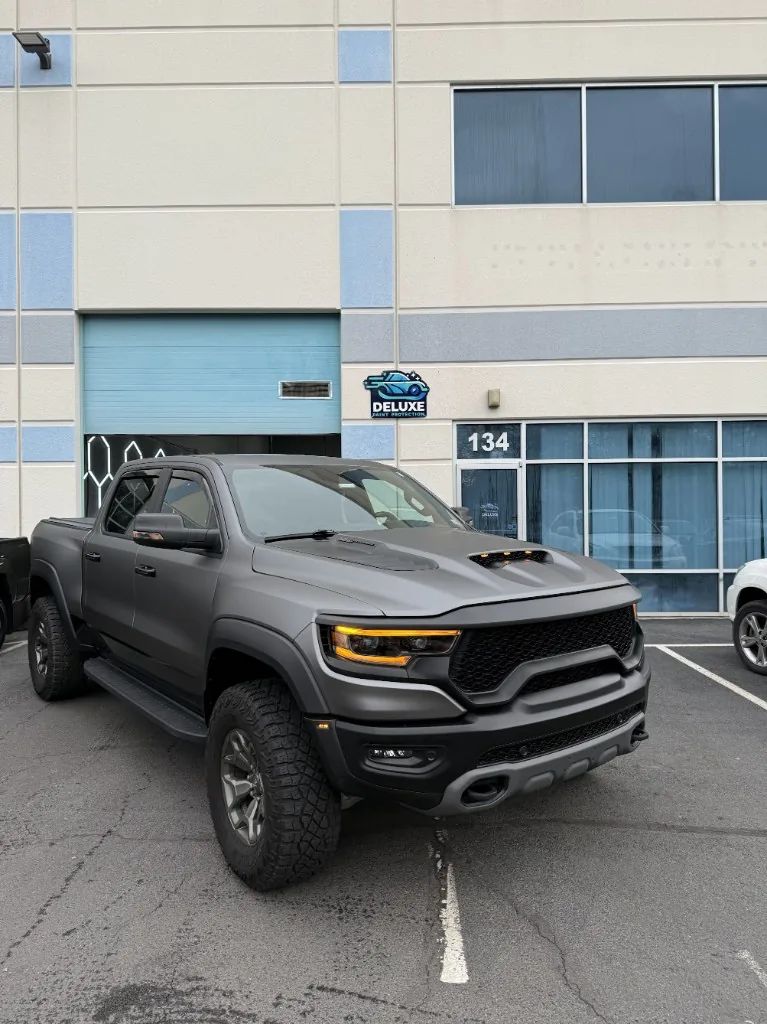
Why Loudoun County Families Need Paint Protection Film
Family SUVs, weekend sports miles, and why full front PPF pays off for Loudoun County households.
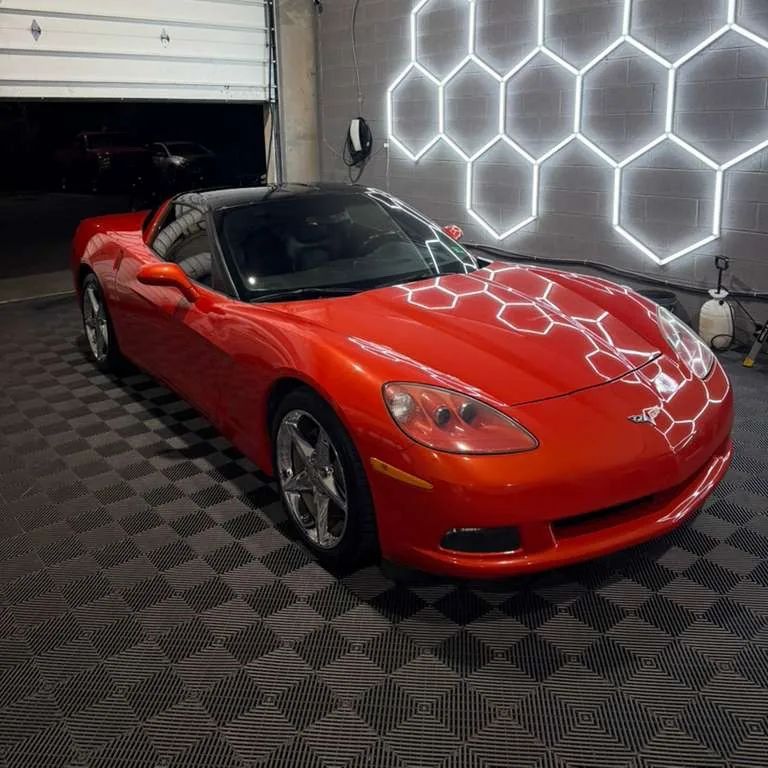
PPF vs Ceramic Coating: Which Does Your Car Need?
Plain comparison of paint protection film and ceramic coating for Chantilly and Loudoun County drivers.
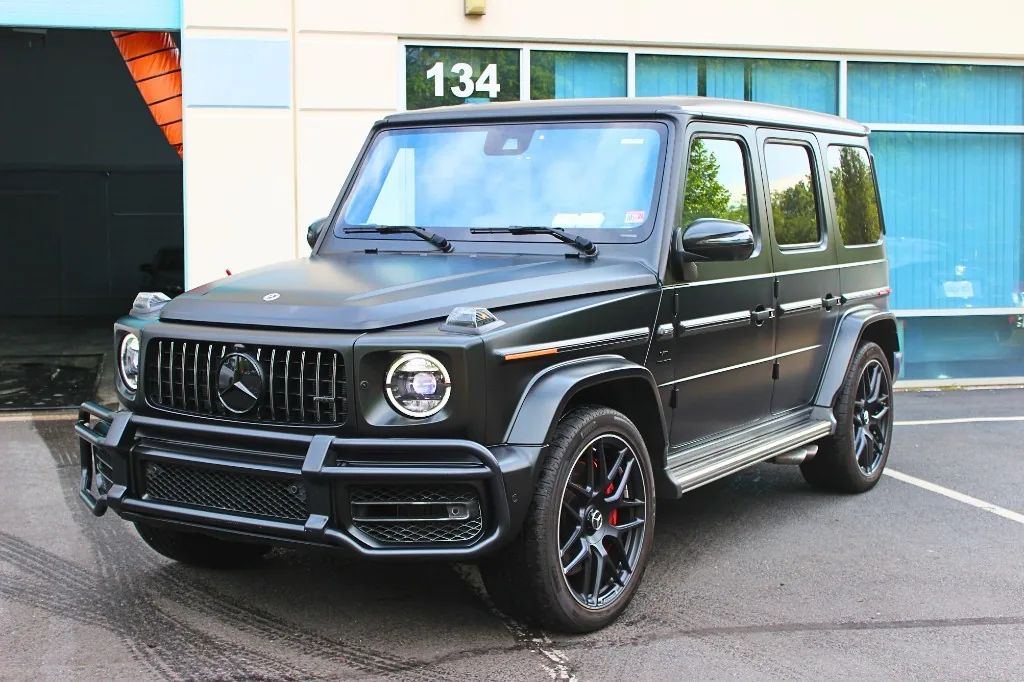
Full Front vs Partial Front PPF: What Is Actually Covered
Side-by-side coverage for full front and partial front paint protection film, with Chantilly starting prices.